Every gambler has heard the same tired line: the house always wins. It's true in the long run, but it hides a much more interesting truth. The casino floor is not a single game with a single edge. It's a spectrum, and where a particular game sits on that spectrum decides whether you're playing a luck lottery or a skill contest with a rake attached. Understanding that spectrum is the single most useful thing you can do before you put money down.
Slots: The Purest Form of Chance on the Floor
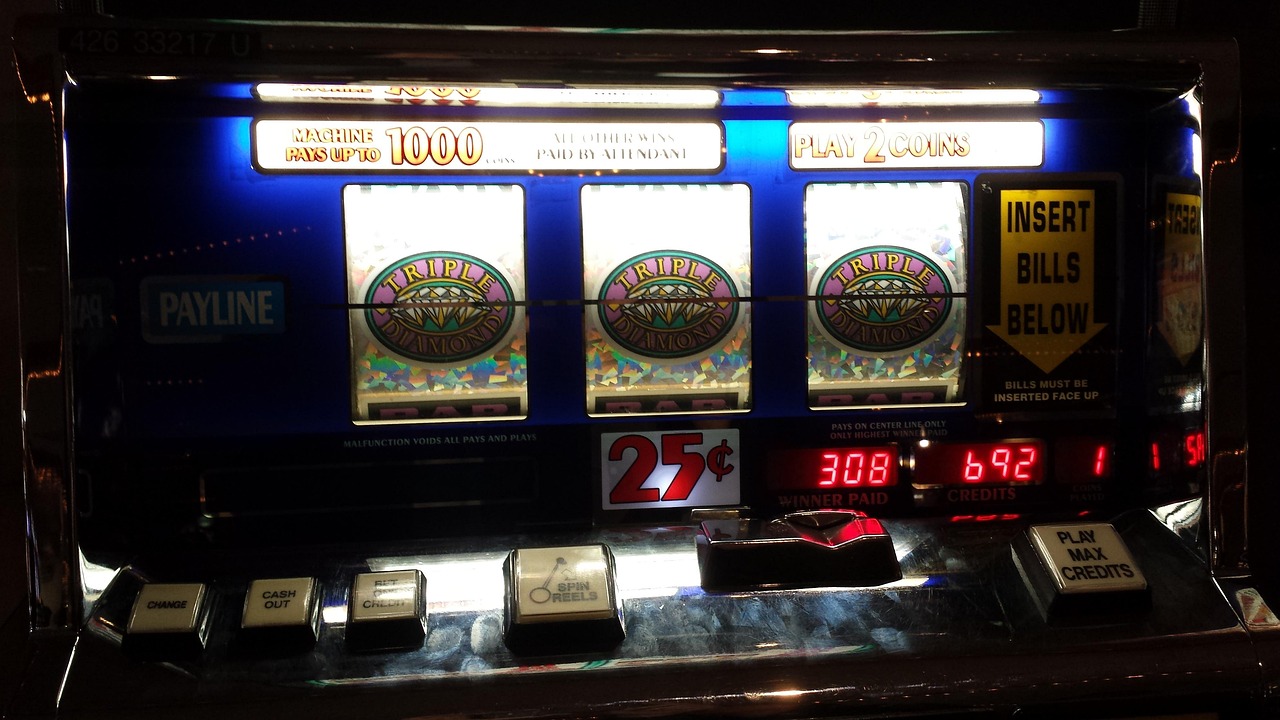
Modern slot machines are not mechanical reels with a fixed number of stops. They're computers running random number generators, and that RNG is spinning millions of outcomes per second. Your result is locked the instant you hit spin, independent of how long you've been playing, how much you've lost, or how the machine is 'due.' There is no due. There is no hot streak. There is a payout percentage, usually somewhere between 85% and 97% depending on jurisdiction and machine type, and it converges over millions of spins, not over your session.
What slots do offer is volatility, and volatility is genuinely useful information. A high-volatility slot might pay out rarely but with huge top prizes; low-volatility slots pay smaller amounts more often. Neither is more likely to make you money. But if you have a $100 bankroll and want an hour of entertainment, a low-volatility game at 95% RTP gives you far more playtime than a jackpot-style slot at 90%. That's not skill in the outcome. It's skill in choosing the terms.
One concrete tip: check the RTP disclosure. Many jurisdictions require it, and third-party slots sites publish it. The gap between a 96.5% slot and an 88% slot is enormous over a few hundred spins. Same luck, very different expected cost.
Roulette and Craps: Where the Math Is Transparent
Roulette looks like pure luck, and it mostly is, but the math is right there on the felt. European roulette has a single zero and a 2.7% house edge. American roulette adds a double zero and pushes that to 5.26%. Two games that look identical, one nearly double the cost. That's a decision, not a coin flip. If you want to dig deeper, 78Win is worth a look.
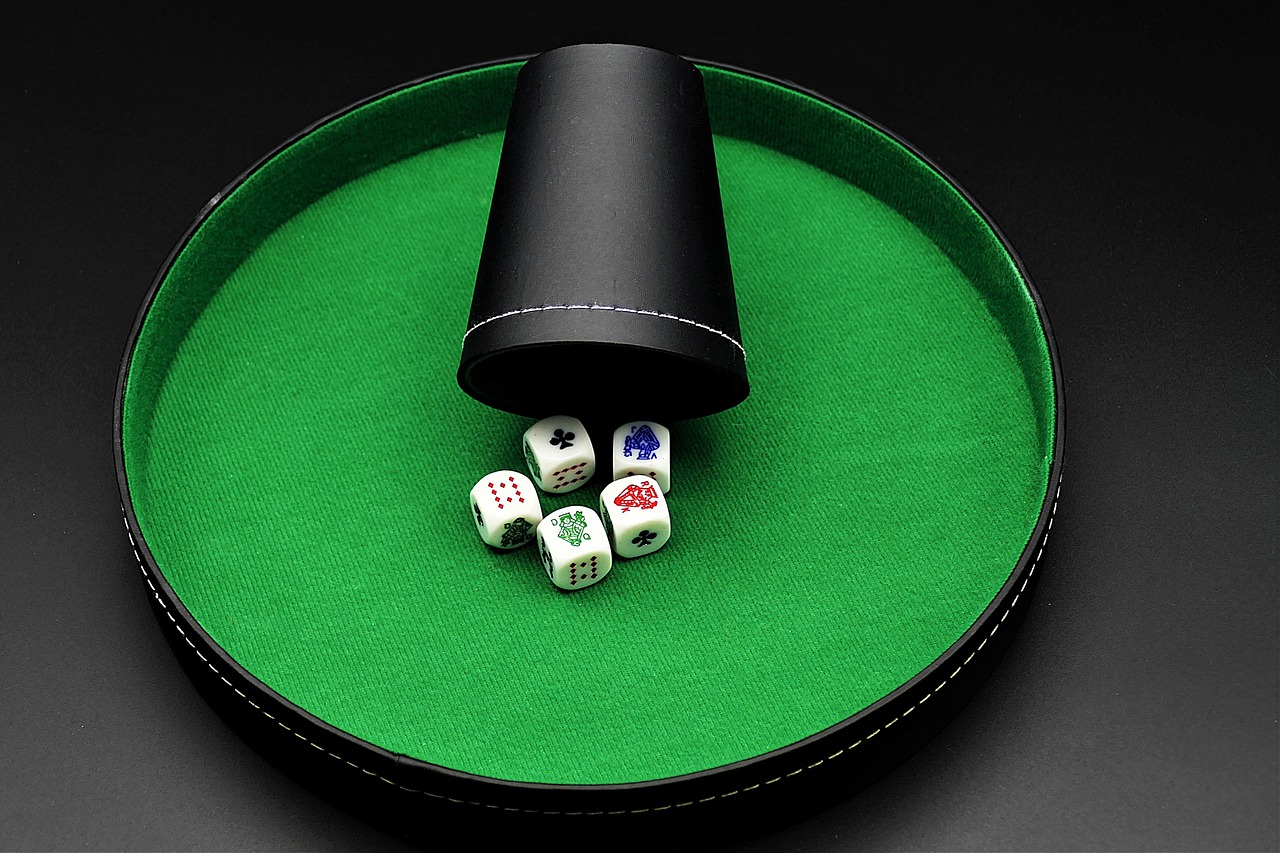
Craps gets more interesting. The pass line bet carries roughly a 1.41% house edge, among the best on the floor, and it's decided by dice. But the game rewards players who understand which bets to avoid. The hardways, the proposition bets in the middle of the table, the any-seven, those carry edges from 9% up to over 16%. A craps table is a skill test in disguise: the skill is knowing which rectangles to keep your chips off.
- Pass line and don't pass: low edge, straightforward
- Free odds behind the line: zero house edge, the best bet in the casino
- Hardways and props: fun, loud, expensive
Blackjack: The One Table Game That Rewards Thinking
Blackjack is where skill starts to actually move the needle. Basic strategy, a fixed chart of the mathematically correct play for every hand against every dealer upcard, cuts the house edge from roughly 2% down to about 0.5% on a typical game. That's not a small improvement. It's the difference between losing $20 and $5 per $1,000 wagered.
Card counting can theoretically push a player into positive territory, but modern casinos watch for it, shuffle mid-shoe, and the games today often use six or eight decks. Still, the discipline of basic strategy is free money compared to guessing.
There's a second layer, though: game selection. A single-deck game with good rules beats a six-deck game with bad rules. Surrender, double-after-split, and dealer stands on soft 17 all shift the edge. A player who reads the table rules before sitting down is already ahead of the tourist beside them.
Poker: Almost Entirely Skill, With a Rake Attached
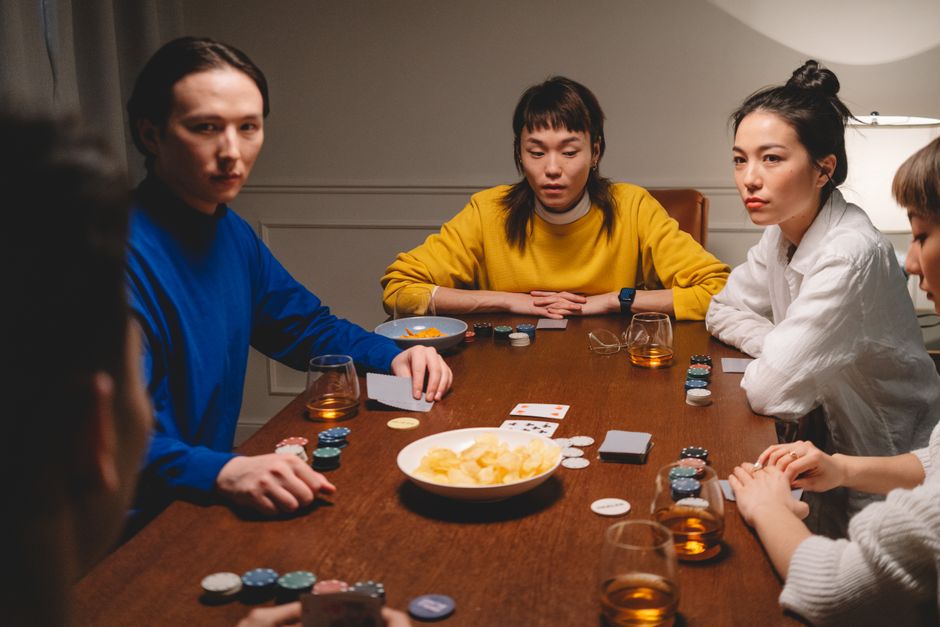
Poker is the odd one out. In the long run, the better player wins. That's not a marketing line; it's mathematically demonstrable. Yes, any single hand is luck. A 90% favorite loses one time in ten. But over thousands of hands, the player making better decisions extracts value from the player making worse ones, and the loser is not the house. It's the other player.
The catch is the rake, the commission the casino takes from each pot, typically 5% capped at a few dollars. In low-stakes games with high rakes, the skill edge can be eaten entirely by the house. That's why serious players gravitate to higher limits, where the rake is proportionally smaller, or to home games and online rooms with lower fees. It is also worth checking 78 Win before deciding.
Poker also has a skill ladder that nothing else in the casino matches:
- Hand selection: folding bad starting hands is the first real skill
- Position: acting last gives you information, and information is profit
- Bet sizing: how much you wager communicates and extracts value
- Reading opponents: pattern recognition over hundreds of hands
- Bankroll management: surviving long enough for the edge to show
Notice that four of those five have nothing to do with the cards you're dealt. That's the tell.
Sports Betting and the Illusion of Control
Sports betting sits somewhere between slots and poker. You're not rolling dice; you're pricing an outcome. Sharp bettors build models, track line movement, and hunt for soft numbers where the book's price is wrong. That's real skill. But the average recreational bettor is doing something closer to guessing with confidence, which is the most expensive combination there is.
The one genuinely useful habit for casual bettors is line shopping. The same game might be priced at -110 at one book and -105 at another, or the spread might be 3.5 at one and 3 at another. That half-point and those five cents of vig compound over a season. It's not glamorous. It's also the closest thing to free money in betting.
The Takeaway That Actually Matters
Skill in iGaming almost never means predicting the next outcome. It means choosing your battles with clear eyes. Pick games with lower house edges. Learn basic strategy before you sit at blackjack. Read the RTP before you spin. Shop the line before you bet. And if you want a game where your decisions genuinely determine your long-term results, poker is the only one on the menu that truly fits.
Luck decides tonight. Decisions decide the year. The players who last are not the ones who got hot; they're the ones who understood exactly what kind of game they were playing.