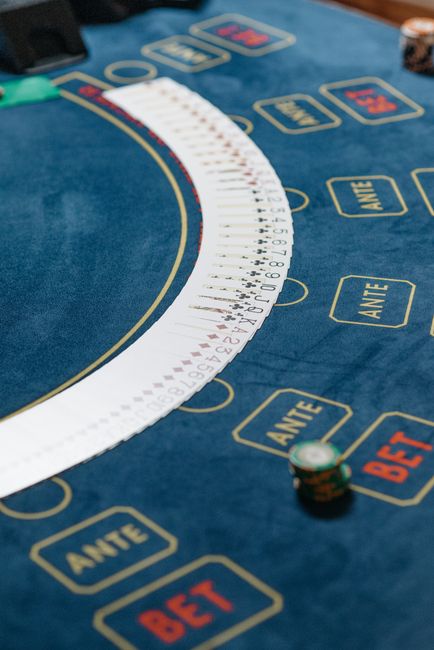
Ask ten people why they play online and you'll get ten different answers. Some chase the adrenaline of a slot spin that lands on five scatters. Others want the slow, psychological chess match of a poker table. And a growing number just enjoy the convenience of betting on a Sunday match without leaving the couch. The iGaming world is enormous, but most of what gets written about it is either recycled marketing fluff or thinly disguised affiliate bait. This piece is neither.
What follows is an honest look at how the major verticals actually work, where the real edge exists, and how to avoid the traps that quietly drain bankrolls. Whether you're a curious newcomer or someone who has been spinning reels for years, there's something here worth your time.
Slots: Randomness Is Not the Enemy
The single biggest misconception about slots is that the machine is "due" for a payout after a long dry spell. It isn't. Modern video slots run on a certified random number generator that determines every outcome independently. The reels you see spinning are pure theatre; the result was locked the instant you pressed the button.
What most players should actually care about is RTP (return to player) and volatility. These two numbers tell you almost everything about what a session will feel like. SHBET goes into the finer points.
- RTP is the theoretical percentage of all wagered money returned to players over millions of spins. A 96% RTP slot keeps 4% as house edge on average. A 94% slot keeps 6%. That gap sounds small but compounds brutally over long play.
- Volatility describes how those returns are distributed. Low-volatility slots pay small amounts frequently. High-volatility slots can go hundreds of spins without a meaningful win, then hit a monster. Neither is "better" — they suit different temperaments and bankrolls.
- Max win caps matter more than people think. A slot advertising a 50,000x maximum might have hit that number once in testing. Popular Megaways titles typically cap between 10,000x and 50,000x, but the probability of hitting the top prize is often less than one in several million.
A practical tip: before depositing anywhere, check whether the operator publishes per-game RTP. Reputable licensed casinos list this. If a site hides it, that's a signal. Some regulated markets, like the UK and Malta, require RTP disclosure — players elsewhere often have to dig through the help files.
Also worth knowing: many studios release regional versions of the same slot with different RTP settings. A game running at 96.2% in one jurisdiction might be configured at 94% in another. Same graphics, same name, worse math. It pays to be sceptical.
Poker: The Only Game With a Real Edge
Here's a truth the casino floor doesn't advertise: in slots, blackjack, roulette — you are playing against the house, and the math is fixed against you. Poker is different. You are playing against other players, and the house takes a rake. That single structural difference means a skilled poker player can be profitable long-term. No slot strategy, no betting system, no pattern-tracking app changes the fundamental math of a random game.
That said, poker is not a money printer. The rake is relentless. At low-stakes online tables, the rake can consume 5% to 10% of every pot, which means you need to be meaningfully better than your opponents just to break even. The players who consistently win share a few habits:
- They play fewer hands. Recreational players see 40%+ of flops. Winning regulars often see under 25%. Patience is not passive — it's profitable.
- They track results. Without a hand-history tracker or at least a spreadsheet, you're guessing. Variance in poker is enormous; you can play perfectly and lose for 20,000 hands.
- They study away from the table. Solver software and equity training tools have reshaped the game. The gap between a casual player and someone who reviews hands weekly is massive.
- They manage bankrolls properly. A common guideline is 20 buy-ins for cash games and 50–100 for tournaments. Playing above your roll is the fastest route to busting.
The good news for newcomers is that micro-stakes games online are softer than most people assume. A disciplined player who reads two solid books and reviews their own hands can hold their own at $0.02/$0.05 within a few months.
Sports Betting: Where Information Beats Luck
Sports betting sits somewhere between the two extremes. You aren't fighting pure randomness like slots, but you also aren't competing against other bettors directly — you're betting into a market priced by bookmakers who employ teams of analysts. The margin embedded in odds (the vig or juice) is typically 4% to 8% on major markets and far higher on novelty props. More background can be found at SH BET.
To genuinely win at betting, you need one of three things: superior information, superior modelling, or superior discipline in exploiting soft lines before they correct. Most recreational bettors have none of these, which is why the industry's margins are so reliable. A few practical observations from people who do it well:
- Line shopping across multiple books is free money. The same match can be priced 1.85 at one book and 2.00 at another. Over hundreds of bets, that difference is everything.
- Closing line value (CLV) is a better predictor of long-term success than short-term profit. If you consistently beat the closing odds, you're probably doing something right.
- Promotions and bonuses are where casual bettors can scrap a small edge — but only if they read the terms. Wagering requirements of 10x on a bonus are very different from 40x.
The House Edge Doesn't Care About Your Feelings
One thing that unites every vertical — slots, table games, betting — is that the house edge is mathematically guaranteed over time. It's not a conspiracy, it's just arithmetic. Casinos are businesses; they don't operate at a loss for fun.
The practical takeaway isn't "don't play." It's "play with your eyes open." Set a budget before you sit down. Treat it as entertainment spending, not investment. Walk away when you hit your limit, regardless of whether you're up or down. Every experienced player eventually learns that the people who enjoy this hobby most are the ones who never let it become a financial necessity.
Licensing, Safety, and Reading the Fine Print
Where you play matters as much as what you play. A licence from a reputable regulator (MGA, UKGC, Gibraltar) means the operator has passed audits, holds segregated player funds, and can be held accountable for disputes. Unlicensed offshore sites may offer better bonuses and higher limits, but your recourse if something goes wrong is essentially zero.
Three red flags worth memorising:
- Withdrawal delays beyond 48 hours with no stated reason.
- Bonus terms buried so deep that "maximum win" caps are in a footnote.
- Live chat that refuses to confirm the licence number or the company's registered address.
Trust your gut here. Any licensed casino with a functioning compliance department will answer those questions in under a minute.
Final Thoughts
iGaming is a fascinating corner of the entertainment world precisely because it combines pure math, human psychology, and a bit of theatre. Slots are random and should be enjoyed as such. Poker is a skill game that rewards study. Betting is a market where only a small minority genuinely win long-term. Knowing which is which — and which one suits you — is the difference between a fun pastime and an expensive lesson. Play smart, read the rules, and never bet more than you'd happily spend on a night out.