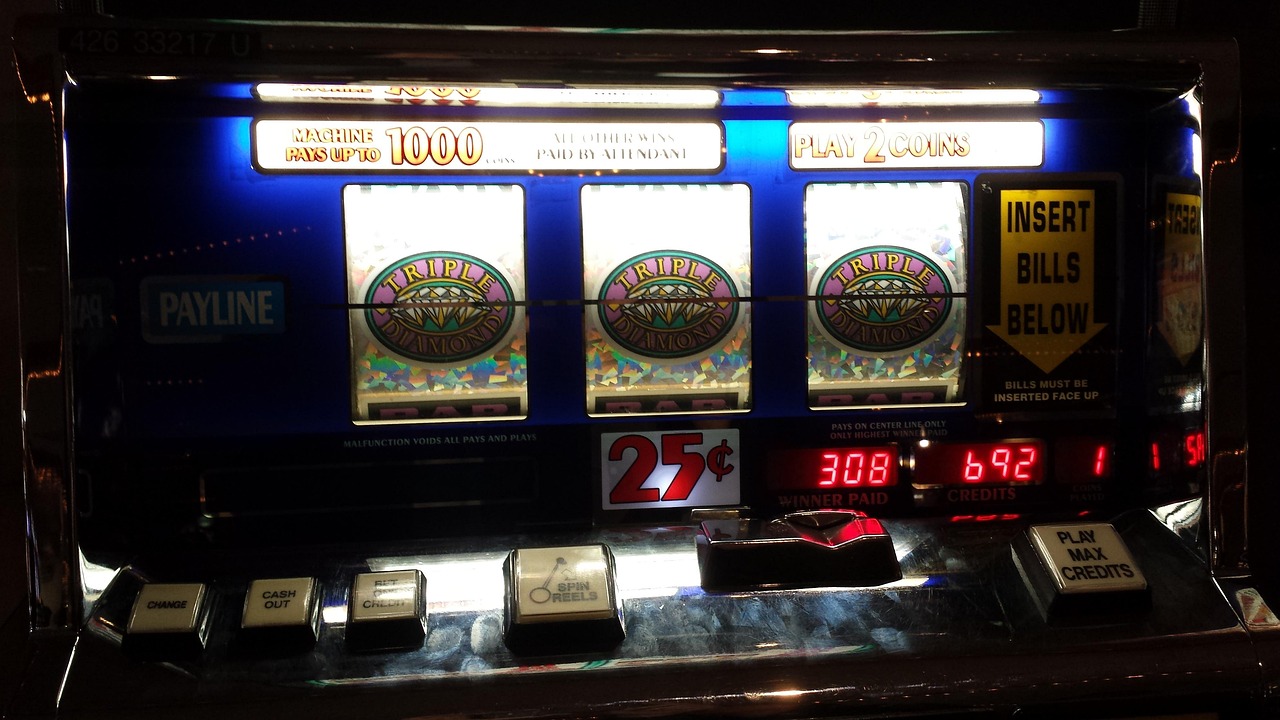
The phrase "the house always wins" gets tossed around so often it's practically wallpaper in casino marketing. And yet, the global online gambling market is projected to blow past $150 billion in gross gaming revenue within a few years, with millions of players logging in daily across slots, poker, sportsbooks, and live dealer tables. If the house truly always won in a way that made playing pointless, that number wouldn't exist. The truth is more interesting: the house wins on average, across millions of spins and hands, but individual sessions, smart bankroll decisions, and game selection absolutely shape whether you walk away up, down, or simply entertained.
This guide isn't about promising you a system to beat the casino. It's about understanding how modern iGaming actually works, where the real edges are for players, and how to get the most out of slots, poker, betting, and everything in between without torching your savings.
How Online Casinos Actually Make Their Money
Every casino game carries a built-in mathematical edge called the house advantage. It's baked into the rules, not implemented by some shady algorithm watching you personally. Here's what that looks like in practice for common games:
- Blackjack: roughly 0.5% house edge with basic strategy, but 2%+ if you play sloppy
- European roulette: 2.7% (one zero), versus American roulette's 5.26% (zero and double zero)
- Baccarat (banker bet): about 1.06%, one of the lowest edges in the building
- Video slots: typically 2% to 10%, depending on the RTP setting the operator chooses
- Keno and specialty games: often 25% to 35%, which is why serious players avoid them
That last point about slots deserves emphasis. Two identical-looking slot games can have Return to Player percentages of 94% and 97%. Over 10,000 spins, that 3% gap is enormous. Casinos don't hide this entirely — many jurisdictions force RTP disclosure in the game's help menu — but they don't put it on the billboard either. Always check the paytable info screen before you commit real money.
Slots: Volatility Matters More Than You Think
New players obsess over RTP. Experienced players obsess over volatility. Here's the difference in plain terms: 789Win offers a practical breakdown of the topic.
- Low volatility slots pay small amounts frequently. Think Starburst or classic 3-reel games. You can play for hours on a modest bankroll, but hitting 500x your stake is essentially fantasy.
- Medium volatility is the comfortable middle ground — Book of Dead and similar titles. Decent hit frequency, occasional 100x+ wins.
- High volatility slots like Money Train or San Quentin can go 50+ spins without a win, then randomly drop a 2,000x bonus. These are bankroll killers if you're underfunded.
A practical rule: match volatility to your bankroll. If you've got $50 to play with, a high-volatility slot will likely eat it before the bonus triggers. If you've got $500 and want a shot at a headline win, low-volatility games will grind you to dust slowly. Know what you're buying.
Poker Is the One Game Where Skill Beats the House
Here's the honest truth that separates poker from every other iGaming vertical: you're not playing against the casino. You're playing against other players, and the house just takes a rake (typically 2.5% to 5% of each pot, capped). That means a skilled player can genuinely be profitable long-term. A lucky slot player cannot.
Three things separate winning online poker players from the recreational pool:
- Position awareness: acting last gives you information; most amateurs ignore this
- Bankroll management: never buy into a cash game with more than 5% of your total roll, or a tournament with more than 2%
- Game selection: soft tables with weak players are worth more than any GTO solver wizardry
If you're new, skip the $5/$10 tables. Play micro-stakes ($0.01/$0.02), grind 50,000 hands, and track everything. Poker rewards study and volume, not vibes.
Sports Betting: The Margin Game
Bookmakers don't need to be right about who wins. They need their odds to reflect true probability plus a margin — usually 4% to 8%. When two evenly matched teams both list at -110, the implied probability of each is 52.4%, adding up to 104.8%. That extra 4.8% is the book's profit.
To beat that margin long-term, you need either superior information (injury news, weather, line movement tracking) or to exploit promotions. Matched betting against free bet offers, arbitrage between different books, and bonus conversion are the realistic edges for casual bettors. Chasing parlays and accumulators? The margin compounds on every leg — a 5-leg parlay at -110 odds carries an effective house edge north of 20%.
Discipline also matters enormously. Set a unit size (1-2% of your bankroll per bet), never chase losses, and treat every wager as a transaction with expected value, not a gut feeling. This is explained well on 789 Win.
The Practical Side: Licensing, Payments, and Self-Control
Not all online casinos are equal, and the good ones make verification easy:
- Check for licenses from the UKGC, MGA, or a respected state regulator like the NJ DGE
- Look for published RTP data and independent audit seals (eCOGRA, iTech Labs)
- Prefer operators with clear withdrawal terms — some bury 72-hour processing or max cashout rules in the fine print
- Use payment methods with chargeback options where possible
Most importantly, set limits before you deposit, not after. Every regulated platform offers deposit caps, session timers, and self-exclusion tools. These aren't punishment features; they're the reason iGaming can be a legitimate entertainment category rather than a danger zone.
The Bottom Line
iGaming isn't rigged, but it is mathematically tilted. Understanding where the tilt lives — the house edge on slots, the rake in poker, the margin in sports betting — lets you make decisions rather than guesses. Play games with the lowest edges that still excite you. Track results honestly. Fund your play from money you'd spend on a night out, not the money you need for rent. Do that, and whether you're spinning reels, bluffing rivers, or sweating a Sunday parlay, you're getting real value out of the experience — even on the nights the house takes its cut.