You've just watched a streamer turn a $50 deposit into five figures on a slot you've been grinding for weeks. You load up the same game, and twenty minutes later your balance is gone. Before you tweet about how the machine is "rigged," let me save you some frustration. The machine isn't rigged against you specifically. You simply picked a game whose volatility doesn't match how you like to play. That single misunderstanding costs more players more money than almost anything else in the casino.
The Three Types of Volatility, Broken Down
Volatility, sometimes called variance, describes how a slot distributes its payouts. Two games can have the exact same return-to-player percentage and still feel like completely different animals. A 96% RTP game with low volatility will trickle money back to you in small, frequent wins. A 96% RTP game with extreme volatility might keep 99% of that return locked inside a jackpot that hits once every 50,000 spins.
Here's a rough framework you can apply to almost any slot:
- Low volatility: Frequent small wins, typically 0.5x to 3x your stake. Think classic three-reel games or "Book of" clones with toned-down max wins.
- Medium volatility: A balance between hit frequency and payout size. Wins around 5x to 50x are common; a 500x hit is genuinely exciting.
- High volatility: Long dry spells punctuated by big drops. Max wins of 5,000x to 50,000x are the whole point, and you can easily go 200 spins without a meaningful return.
Most modern slots sit firmly in the medium-to-high range. Pragmatic Play, Hacksaw Gaming, and NoLimit City have pushed volatility through the roof because that's what streams and social clips reward. Nobody posts a video of winning 2x their bet. We found 78WIN to be a handy reference here.
Hit Frequency Is the Stat Nobody Talks About
Every slot has a hit frequency, usually listed in the game's documentation or review sites. It tells you what percentage of spins produce at least some return. A hit frequency of 25% means roughly one in four spins gives you something back. That sounds decent until you realize the payout might be 0.1x your stake. Congratulations, you "won" a tenth of your bet back.
This is why bankroll management matters so much more than most players realize. If you're playing a game with 25% hit frequency and 20% of those hits return less than your stake, your balance will bleed at a slow, steady, soul-crushing pace. Combine that with a max win of 10,000x and you've got a game designed to keep you spinning while you wait for a miracle. You can read more about it on 78 WIN.
A quick reality check on bankroll
- Low volatility: 100 to 150 units. If you're betting $1, a $150 bankroll can realistically last a few hours.
- Medium volatility: 200 to 300 units. A $300 bankroll at $1 per spin gives you room to survive the dry patches.
- High volatility: 400 to 1,000 units. Serious high-volatility players treat a $1 spin as a $500 commitment.
Ignore these numbers and you'll blame the game. Follow them and you'll at least go bust in an orderly fashion.
RTP Is a Long-Game Number, Not a Promise
Return-to-player is measured over millions of spins. A 96% RTP game means the house keeps roughly four cents of every dollar wagered across all players over an unlimited timeline. On any individual session, your actual return might be 0%, 400%, or 85%. The math is real, but it unfolds on a timescale no human session ever reaches.
Where players get burned is RTP variation. Many providers release the same slot with different RTP configurations depending on the market or operator. A game might be 96.5% on one casino and 94% on another. That 2.5% difference compounds brutally over thousands of spins. If you care even slightly about your money, check the RTP before you play, not after.
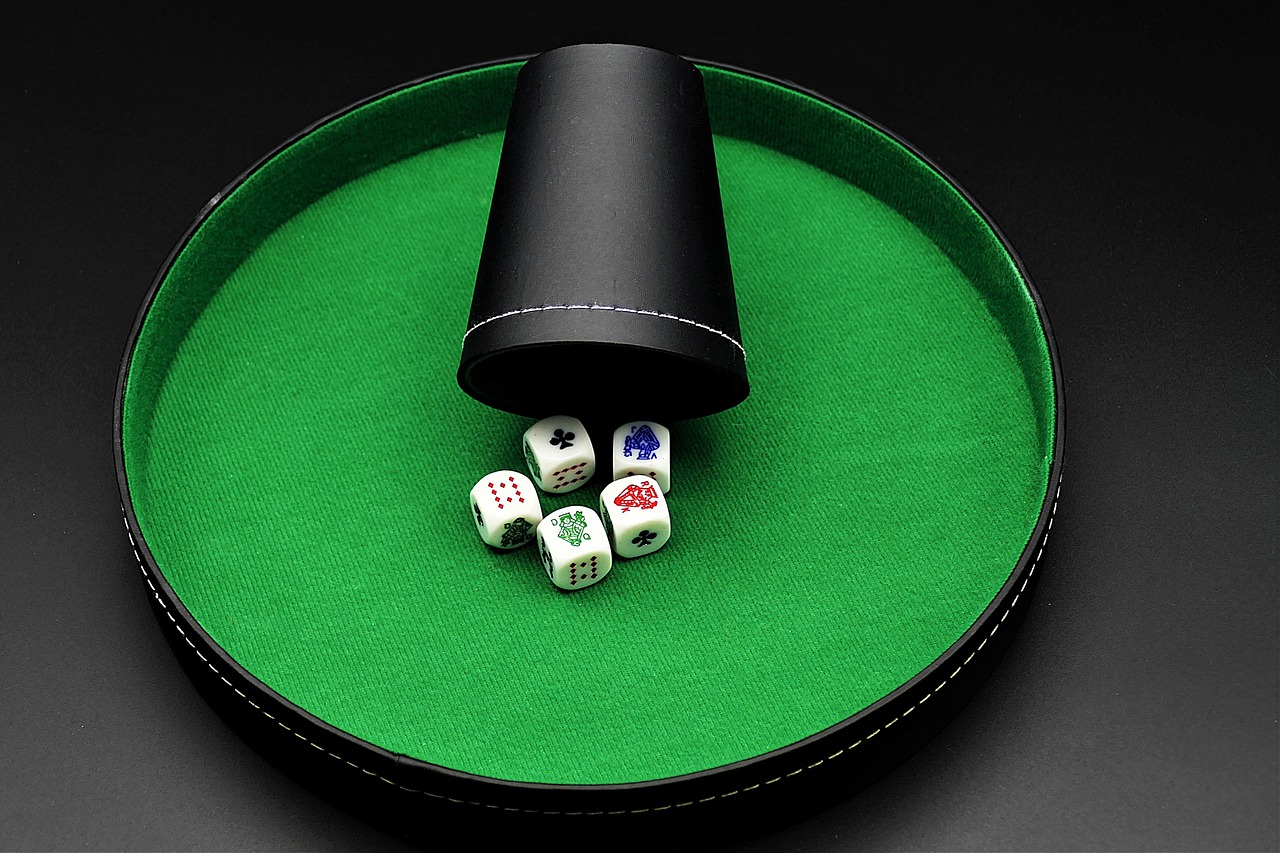
Jump to the poker tables for a moment. Here, the skill edge is tangible. A disciplined tight-aggressive player can beat micro-stakes games for a few big blinds per hundred hands. That edge exists because opponents make mistakes. In slots, no amount of skill changes the outcome of a spin. The only variable you control is which game you sit down at and how much you're willing to lose. That's why serious gamblers often treat slots as entertainment and poker as a grind.
Practical Tips That Actually Change Your Outcome
You can't beat the math, but you can stop making decisions that actively hurt you.
- Match volatility to your bankroll, not your mood. If you only have $100, playing a 20,000x max win slot is financial suicide. Pick a low-variance game and stretch your time.
- Use the free play or demo mode first. Spin 200 times on a demo and watch what actually happens. You'll quickly feel the variance before it costs you a dime.
- Check the RTP. Anything below 95% should raise an eyebrow. Below 94% and you're paying a premium for the same experience.
- Set a loss limit before you start. And actually stop. The worst decisions happen in the five minutes after you've blown your intended budget.
- Avoid chasing bonuses with absurd wagering requirements. A 40x wagering requirement on a bonus means you'll often need to wager thousands before you can withdraw a cent.
One more thing about slots that nobody wants to admit: the theme, artwork, and soundtrack exist purely to keep you spinning. Megaways, cluster pays, tumbling reels, expanding wilds - these aren't innovations in your favor. They're pacing mechanics. They make the time between losses feel shorter and the wins feel bigger than they are. A 50x win feels massive when it lands, but if you staked 1% of your bankroll per spin, that 50x is barely half your money back.
What This Means for Your Bankroll
Understand that slots are engineered, not random. Random in outcome, yes, but carefully designed in structure. The volatility profile, hit frequency, max win cap, and RTP configuration are all deliberate choices made by people who know exactly how players behave. Nobody built a slot to be generous. They built it to be entertaining enough to keep you playing, which is a very different thing.
The same principle runs through every corner of iGaming. Sportsbook margins are baked into the odds. Casino table games have mathematical edges that no strategy can reverse. Poker is the exception because you're playing against other humans, not against the house, and even then the rake guarantees the operator a slice of every pot.
None of this means you can't enjoy slots. Millions of people do, responsibly, every day. But enjoy them with clear eyes. Pick games that match your bankroll, treat volatility as a feature to be managed rather than a mystery to be solved, and never expect a machine to owe you anything back. If the fun stops being fun, stop spinning. That's the only edge that actually exists.